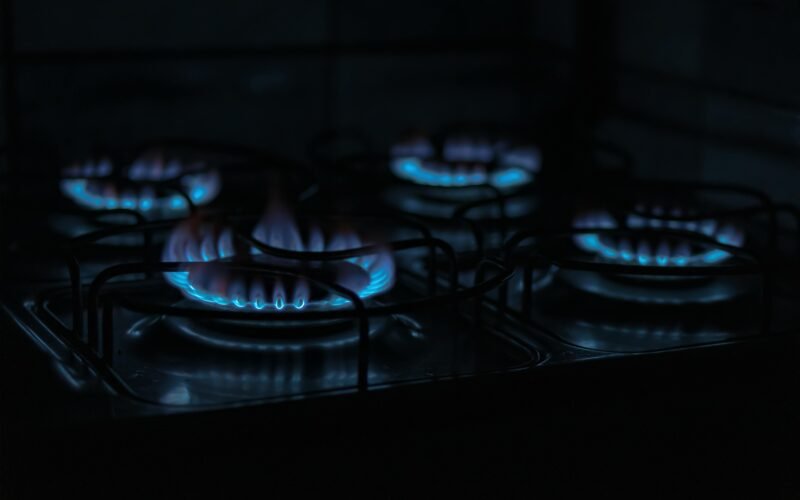
A clean LG gas cooktop is a safer, more efficient cooktop. This guide covers daily cleaning, weekly deep cleaning, burner maintenance, and how to keep igniters sparking reliably.
Daily Cleaning
Wipe down the cooktop surface after every use once it is cool. Use a soft damp cloth and mild dish soap. Avoid abrasive scrubbers on the stainless or enamel surface — they scratch the finish permanently.
Weekly Deep Cleaning
- Allow the cooktop to cool completely before cleaning.
- Remove the grates and wash in hot soapy water or place in the dishwasher if the manual confirms they are dishwasher safe.
- Lift off the burner caps and wash them in hot soapy water. Use a soft brush to clear the ports.
- Clean the cooktop surface with a degreaser if needed, then wipe with a damp cloth and dry thoroughly.
- Dry all components completely before reinstalling — moisture in the burner area causes igniter clicking.
Burner Cap and Head Maintenance
The burner cap sits on top of the burner head and distributes gas evenly around the flame ring. If the cap is not seated flat and centered after cleaning, the flame may be uneven, the burner may not light, or the igniter may click continuously.
- After reinstalling, twist each cap slightly to ensure it is seated in its locating slots
- The cap should sit flat with no tilt and no gap between cap and head
Port Cleaning
The tiny holes (ports) around the burner cap must be clear for even flame distribution. Use a toothpick, straightened paper clip, or thin wire — never a drill or pin that could enlarge the ports. Do not clean with water while installed; always remove and dry the cap first.
Igniter Maintenance
The igniters are ceramic electrodes that produce the spark to light the gas. They are sensitive to moisture and grease. Keep them clean and dry:
- Do not spray cleaning products directly onto the igniter tips
- If an igniter is clicking after cooking, it has gotten wet — allow to air dry or use a hair dryer on low
- Cracked or chipped igniter ceramics require replacement — a cracked tip grounds out and will not spark reliably
Grate Condition
Cast iron grates should be dried immediately after washing to prevent rust. If rust appears, scrub with a stiff brush and warm soapy water, dry completely, and apply a thin coat of cooking oil before reinstalling. Do not use the oven self-clean cycle to clean grates — the extreme heat damages the porcelain enamel coating.
Why Professional Service May Be the Right Choice
While many Cooktop issues can be addressed with the steps in this guide, there are situations where attempting a DIY repair can make the problem worse or void your warranty. If you've followed the steps above and the issue persists, or if you're not comfortable working with electrical components or water connections, calling a experienced technician is the safest and most cost-effective path forward.
LG Appliance Experts technicians are trained directly to LG's service specifications. They arrive with the most common OEM replacement parts already on the vehicle, which means most repairs are completed in a single visit — no waiting for parts to be ordered.
Preventing the Problem from Recurring
Most Cooktop issues that require repair are preventable with regular maintenance. Key habits that extend appliance life and reduce fault frequency:
- Clean filters regularly. Lint filters, drain pump filters, and water inlet screens accumulate debris over time. A clogged filter is one of the most common causes of performance issues and error codes.
- Don't overload. Consistently running your Cooktop beyond its rated capacity puts extra stress on the motor, drum bearings, and suspension components.
- Use the correct detergent and amounts. Excess detergent — especially non-HE detergent in HE appliances — causes buildup, mold, and sensor errors over time.
- Check hoses and connections annually. Inspect inlet and drain hoses for cracks, kinks, or loose connections at least once a year, especially if your appliance is more than five years old.
- Level the appliance. An unlevel Cooktop vibrates excessively during operation, accelerating wear on internal components and causing noise and balance errors.
LG Warranty and Service Coverage
LG offers a standard one-year parts and labor warranty on most appliances, with extended coverage on specific components — most notably the 10-year warranty on linear compressors in qualifying refrigerators. If your appliance is still within its manufacturer warranty period, contact LG directly before scheduling an independent repair, as unauthorized service may affect warranty coverage.
For appliances outside the warranty period, LG Appliance Experts provides a 30-day parts and labor warranty on every repair we complete. All replacement parts are genuine LG OEM components sourced directly from LG's authorized parts network.